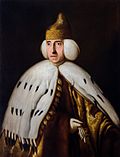
Edmund Burke
Personnalités politiques · 1729 - 1797 · 68 ans
Edmund Burke (/bɜːk/, né à Dublin le 12 janvier 1729 en Irlande et mort à Beaconsfield le 9 juillet 1797 en Grande-Bretagne) est un homme politique et philosophe anglo-irlandais, longtemps député à la Chambre des communes britannique, en tant que membre du parti whig.
Texte issu de Wikipédia, CC BY-SA 4.0
Edmund Burke : environ 1 474 lectures par jour, en 82 langues.
Un jour typique, sur 30 jours jusqu'au 15 novembre 2026
Le jour médian de la période comptée : une semaine d'actualité ne peut donc pas le faire bouger. La courbe en dessous montre les 400 derniers jours, un point par jour.
Une erreur ?Une vie en dates
Autour d’Edmund
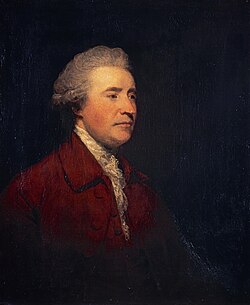
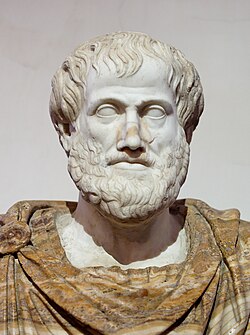 Aristotle A influencé Edmund
 John Locke A influencé Edmund
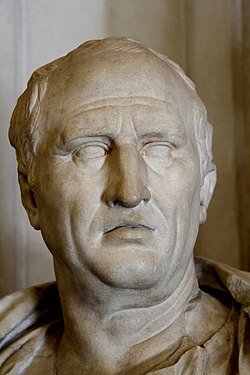 Cicero A influencé Edmund
 Montesquieu A influencé Edmund
 David Hume A influencé Edmund
 William Blackstone A influencé Edmund
 Richard Hooker A influencé Edmund
 Hannah Arendt Influence : Edmund
 G. K. Chesterton Influence : Edmund
 Roger Scruton Influence : Edmund
 Steve Bannon Influence : Edmund
 William F. Buckley Jr. Influence : Edmund
 Friedrich von Gentz Influence : Edmund
 Henryk Rzewuski Influence : Edmund
 Luiz Felipe Pondé Influence : Edmund
 Edmund Burke
Conjoints
Est-ce toute la famille ?
Seuls les proches qui ont un profil ici sont représentés : une famille peut donc être plus grande. Un lien peut aussi être erroné. Un mariage n'apparaît comme terminé que si sa fin est enregistrée : un mariage montré ici peut donc avoir pris fin.
Corriger cette familleMédias et musique
Photos 8


Citations 4
, War," says Machiavel, "ought to be the only study of a prince;" and by a prince he means every sort of state, however constituted.
There are few with whom I can communicate so freely as with Pope. But Pope cannot bear every truth.
A good parson once said, that where mystery begins, religion ends. Cannot I say, as truly at least, of human laws, that where mystery begins, justice ends?
À propos de cette personne
Il est resté célèbre pour le soutien qu'il a apporté aux colons américains lors de leur révolte contre la métropole britannique, bien qu'il se soit opposé à leur indépendance. Il est également connu pour sa ferme opposition à la Révolution française, exprimée dans ses Réflexions sur la Révolution de France, qui fit de lui l'un des chefs de file de la faction conservatrice au sein du parti whig. Burke est également l'auteur d'ouvrages de philosophie portant sur l'esthétique, et le fondateur de la revue politique Annual Register. Penseur emblématique du conservatisme moderne, et important idéologue libéral. Il est le père du libéral-conservatisme.
Texte issu de Wikipédia, CC BY-SA 4.0