Sayyid Qutb
Égypte · Sur la carte · Militants · 1906 - 1966 · 59 ans
Sayyid Qutb (en arabe : سيد قطب, Sayyid Quṭb) également orthographié Saïd Qotb, né le 9 octobre 1906, dans le sud de l'Égypte, et exécuté par pendaison le 29 août 1966 au Caire, est un poète et essayiste égyptien, cadre dirigeant des Frères musulmans.
Texte issu de Wikipédia, CC BY-SA 4.0
Sayyid Qutb : environ 1 534 lectures par jour, en 51 langues.
Un jour typique, sur 30 jours jusqu'au 14 novembre 2026
Le jour médian de la période comptée : une semaine d'actualité ne peut donc pas le faire bouger. La courbe en dessous montre les 400 derniers jours, un point par jour.
Une erreur ?Une vie en dates
Autour de Sayyid

 Osama bin Laden A eu pour maître Sayyid
 Ali Khamenei A eu pour maître Sayyid
 Ruhollah Khomeini A eu pour maître Sayyid
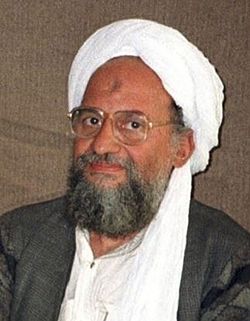 Ayman al-Zawahiri A eu pour maître Sayyid
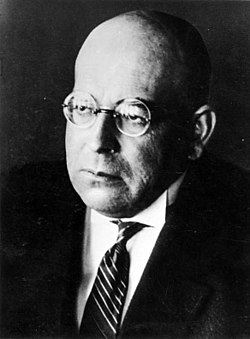 Oswald Spengler A enseigné à Sayyid
 Alexis Carrel A enseigné à Sayyid
 Arnold J. Toynbee A enseigné à Sayyid
 Ibn Taymiyyah A enseigné à Sayyid, a influencé Sayyid
 Muhammad Abduh A enseigné à Sayyid
 Ibn Qayyim al-Jawziyya A enseigné à Sayyid
 Syed Abul Ala Maududi A enseigné à Sayyid, a influencé Sayyid
 Anwar al-Awlaqi A eu pour maître Sayyid, influence : Sayyid
 Rida Muhammad Rashid A enseigné à Sayyid
 Mohammed Badie A eu pour maître Sayyid
- Abdullah Yusuf Azzam A eu pour maître Sayyid, influence : Sayyid
 Abbas el-Akkad A enseigné à Sayyid
- Abd al-Qahir al-Jurjani A enseigné à Sayyid, a influencé Sayyid
- Abu Ali al-Anbari A eu pour maître Sayyid
- Abu Muhammad al-Maqdisi A eu pour maître Sayyid, influence : Sayyid
- Shukri Mustafa A eu pour maître Sayyid
 Hassan al-Banna A influencé Sayyid
 Ahmed Yassin Influence : Sayyid
 Najmuddin Faraj Ahmad Influence : Sayyid
 Sayyid Qutb
Frères et sœurs
Est-ce toute la famille ?
Seuls les proches qui ont un profil ici sont représentés : une famille peut donc être plus grande. Un lien peut aussi être erroné.
Corriger cette familleMédias et musique
Photos 8


Citations 2
, Islam prescribes the bases of social justice. It insures that the poor have claims on the possessions of the rich, and it lays down a just policy for government and finance.
The defeatists should fear Allah lest they distort this religion and cause it to become weak on the basis of the claim that it is a religion of peace.
À propos de cette personne
Une de ses œuvres les plus importantes est Fi Dhilal al-Kor'an (Sous l'ombre du Coran), un commentaire du Coran. Il se déclare favorable à l'application stricte et exclusive de la charia. Il qualifie de jahilite (ignorante) toute société, musulmane ou non, où ceci n'est pas le cas, et appelle au jihad violent dans ce contexte. Il est considéré comme un des pères de l'islamisme radical et ses livres ont notamment inspiré des cadres d'Al-Qaïda. Le journaliste américain Paul Berman l'a décrit comme « le Marx des islamistes ». La doctrine du qutbisme porte son nom.
Texte issu de Wikipédia, CC BY-SA 4.0


