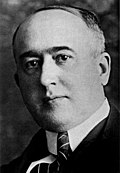
Mohamed Iqbal
Universitaires · 1877 - 1938 · 60 ans
Mohamed Iqbal (ourdou : محمد اقبال, souvent transcrit Muhammad Iqbal), né le 9 novembre 1877 à Sialkot dans le Pendjab en Inde britannique (actuel Pakistan) et mort le 21 avril 1938 à Lahore, est un poète, barrister et philosophe de l'époque de l'Inde britannique.
Texte issu de Wikipédia, CC BY-SA 4.0
Mohamed Iqbal : environ 1 212 lectures par jour, en 85 langues.
Un jour typique, sur 30 jours jusqu'au 9 novembre 2026
Le jour médian de la période comptée : une semaine d'actualité ne peut donc pas le faire bouger. La courbe en dessous montre les 400 derniers jours, un point par jour.
Une erreur ?Une vie en dates
Autour de Mohamed

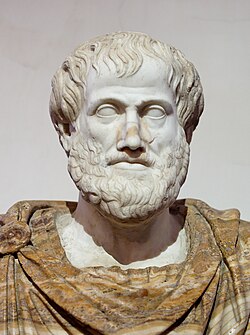 Aristotle A influencé Mohamed
 Muhammad A influencé Mohamed
 Leo Tolstoy A influencé Mohamed
 Johann Wolfgang von Goethe A influencé Mohamed
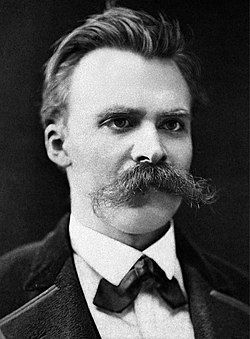 Friedrich Nietzsche A influencé Mohamed
 Georg Wilhelm Friedrich Hegel A influencé Mohamed
 Rumi A influencé Mohamed
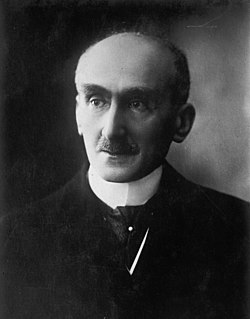 Henri Bergson A influencé Mohamed
 Syed Abul Ala Maududi A influencé Mohamed
 Bayazid Bastami A influencé Mohamed
 Ahmad Sirhindi A influencé Mohamed
 Thomas Walker Arnold A influencé Mohamed
 Faiz Ahmad Faiz Influence : Mohamed
 Muhammad Tahir-ul-Qadri Influence : Mohamed
- Abul Hasan Ali Hasani Nadwi Influence : Mohamed
- Fazlur Rahman Malik Influence : Mohamed
 Ghulam Ahmed Pervez Influence : Mohamed
 Jawdat Said Influence : Mohamed
 Abdennour Bidar Influence : Mohamed
Parents

 Mohamed Iqbal
Conjoints

Est-ce toute la famille ?
Seuls les proches qui ont un profil ici sont représentés : une famille peut donc être plus grande. Un lien peut aussi être erroné. Un mariage n'apparaît comme terminé que si sa fin est enregistrée : un mariage montré ici peut donc avoir pris fin.
Corriger cette familleMédias et musique
Photos 8


Citations 4
, Muhammad of Arabia ascended the highest Heaven and returned.
I have already indicated to you the meaning of the word religion, as applied to Islam. The truth is that Islam is not a Church.
To this convention you must re-state as clearly and as strongly as possible, the political objective of Indian Muslims as a distinct political unit in the country.
Distinctions
À propos de cette personne
Mohamed Iqbal est considéré comme un des poètes musulmans les plus influents du XXe siècle. Membre de la Ligue musulmane, il est l'un des premiers à formaliser l'idée de la création d'un État musulman dans le nord-ouest de l'Inde, en 1930. Il est ainsi vu comme le père spirituel du Pakistan, créé après sa mort. Ses écrits et plus particulièrement ses poésies ont contribué à l'engagement politique des musulmans indiens. Il y vante les gloires passées de l'islam et incite la communauté à reprendre en main son destin. Il se fait ainsi l'avocat de l'autodétermination des indiens musulmans, considérés comme formant une nation, aboutissant à la création du Pakistan lors de la partition des Indes. Très pieux, la religion est omniprésente dans ses œuvres et il est parfois perçu comme un fondamentaliste islamiste, pour sa critique de la science et son soutien à Ilm-ud-din, l'assassin d'un éditeur hindou ayant publié un livre vu comme blasphémateur.
Texte issu de Wikipédia, CC BY-SA 4.0