Arthur C. Clarke
Royaume-Uni · Sur la carte · Écrivains · 1917 - 2008 · 90 ans
Arthur Charles Clarke [ˈɑːθə(ɹ) t͡ʃɑːlz klɑː(ɹ)k], généralement appelé Arthur C. Clarke, est un écrivain de science-fiction, écrivain scientifique, futurologue, présentateur de télévision, explorateur sous-marin et inventeur britannique, né le 16 décembre 1917 à Minehead dans le Somerset et mort le 19 mars 2008 à Colombo au Sri Lanka.
Texte issu de Wikipédia, CC BY-SA 4.0
Arthur C. Clarke : environ 2 714 lectures par jour, en 90 langues.
Un jour typique, sur 30 jours jusqu'au 14 novembre 2026
Le jour médian de la période comptée : une semaine d'actualité ne peut donc pas le faire bouger. La courbe en dessous montre les 400 derniers jours, un point par jour.
Une erreur ?Une vie en dates
Autour d’Arthur

- Olaf Stapledon A influencé Arthur
 Keir Dullea Aussi dans 2001: A Space Odyssey et 2010
- Douglas Rain Arthur a écrit 2001: A Space Odyssey (1968)
 Stanley Kubrick Réalisation : 2001: A Space Odyssey (1968)
 Helen Mirren Arthur a écrit 2010: The Year We Make Contact (1985)
 Candice Bergen Arthur a écrit 2010: The Year We Make Contact (1985)
 John Lithgow Arthur a écrit 2010: The Year We Make Contact (1984)
 Roy Scheider Arthur a écrit 2010: The Year We Make Contact (1985)
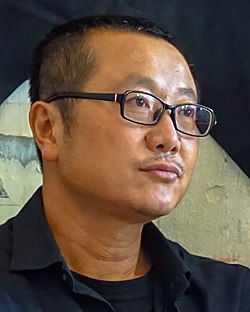 Liu Cixin Influence : Arthur
 Bob Balaban Arthur a écrit 2010: The Year We Make Contact (1985)
- Savely Kramarov Arthur a écrit 2010: The Year We Make Contact (1985)
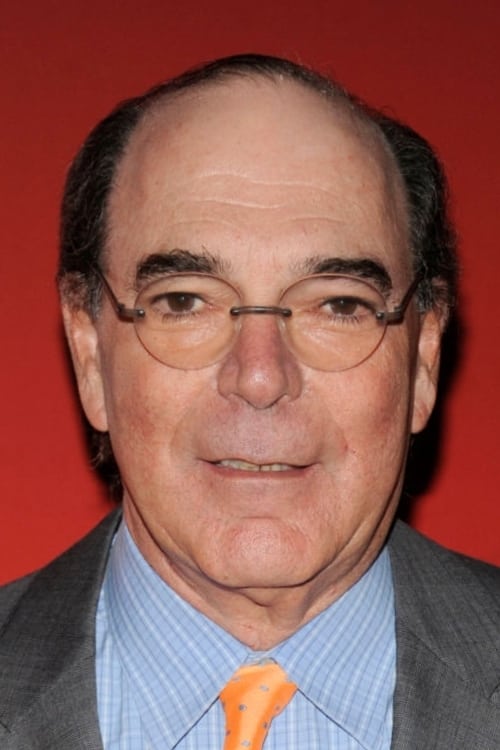 Peter Hyams Réalisation : 2010 (1984)
- Dana Elcar Arthur a écrit 2010: The Year We Make Contact (1985)
 Elya Baskin Arthur a écrit 2010: The Year We Make Contact (1985)
 Jan Tříska Arthur a écrit 2010: The Year We Make Contact (1985)
 Madolyn Smith Osborne Arthur a écrit 2010: The Year We Make Contact (1985)
 Natasha Shneider Arthur a écrit 2010: The Year We Make Contact (1984)
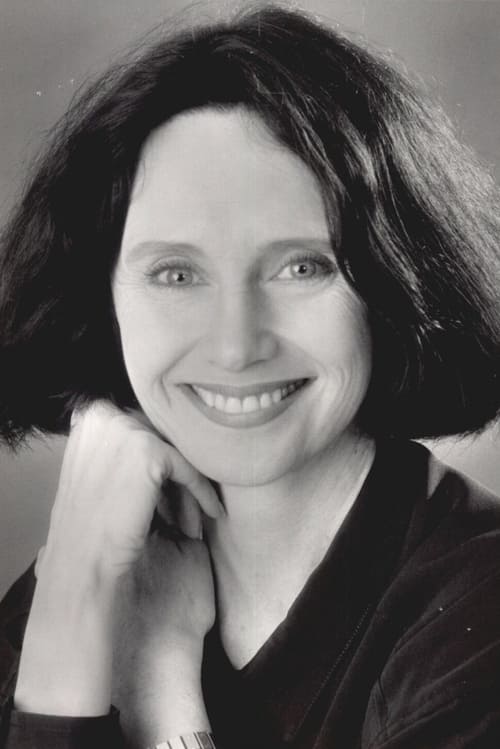 Mary Jo Deschanel Arthur a écrit 2010: The Year We Make Contact (1985)
 Taliesin Jaffe Arthur a écrit 2010: The Year We Make Contact (1985)
- Herta Ware Arthur a écrit 2010: The Year We Make Contact (1985)
 Arthur Allan Seidelman Réalisation : Trapped in Space (1994)
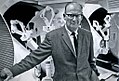 Arthur C. Clarke
Conjoints
Est-ce toute la famille ?
Seuls les proches qui ont un profil ici sont représentés : une famille peut donc être plus grande. Un lien peut aussi être erroné.
Corriger cette familleMédias et musique
Photos 8


Citations 4
, If the artist did not know his goal, even the most miraculous of tools could not find it for him.
There still remained, for all men to share, the linked worlds of love and art.
We stand now at the turning point between two eras. Behind us is a past to which we can never return ...
Distinctions
À propos de cette personne
Il a aussi utilisé des pseudonymes comme Charles Willis et E. G. O'Brien. Il fait partie, avec Isaac Asimov et Robert A. Heinlein, des « Trois Grands » (Big Three) auteurs de science-fiction de langue anglaise. Dans certains de ses romans, il a anticipé l'Internet et l'intelligence artificielle générale (avec notamment dans 2001 : l'Odyssée de l'espace, l'IA ordinateur de bord HAL 9000, capable de comprendre le langage naturel, d'interpréter les émotions, de raisonner, d'apprendre et de concevoir) ; et dans une interview en 1976, il a prédit pour l'an 2000 à la fois l'arrivée du World Wide Web et celle du téléphone portable. Il a envisagé notre utilisation actuelle des ordinateurs, avec Internet et surtout le Web (le réseau d'informations utilisé) et il pensait que les progrès croisés des télécommunications et de l'informatique allaient aider l'humanité à développer une conscience et une culture planétaires.
Texte issu de Wikipédia, CC BY-SA 4.0

